Is Renting Really Throwing Money Away? Not Always
“Renting is throwing money away.”
It is one of the most common things people hear when they are deciding whether to buy a home.
The argument sounds simple.
When you rent, your monthly payment goes to a landlord.
When you own, part of your mortgage payment helps build equity.
That is true.
But it is not the whole story.
Renting may not build ownership in a property, but it can buy something else that is extremely valuable:
Flexibility.
It can also protect you from large transaction costs, unexpected repairs and being forced to sell at the wrong time.
Sometimes buying is the better decision.
Sometimes renting is the smarter one.
The answer depends less on what other people think you should do and more on what your life is likely to look like over the next several years.
What Are You Really Paying for When You Rent?
Rent is not an investment.
It is a housing expense.
You are paying for:
- A place to live
- The ability to move more easily
- Fewer repair responsibilities
- More predictable short-term costs
- Less exposure to changes in property values
- Freedom from the cost of buying and selling a home
That does not make renting free from risk.
Rent can increase.
Your landlord may eventually sell.
You may have restrictions on pets, renovations or how you use the property.
You also do not benefit directly when the property increases in value.
However, saying rent is wasted simply because it does not build equity ignores what the renter receives in return.
You are not just paying for walls and a roof.
You are paying for housing without taking on the full financial responsibility of ownership.
Homeowners Also Pay Expenses That Do Not Build Equity
The “rent is wasted money” argument often compares the full rent payment with the portion of a mortgage payment that reduces the loan balance.
That is not a fair comparison.
Homeowners also pay expenses that do not build equity.
These can include:
- Mortgage interest
- Property taxes
- Home insurance
- Strata fees
- Repairs and maintenance
- Utilities
- Legal fees
- Property transfer tax
- Real estate commissions when selling
- Mortgage penalties
- Moving expenses
Only the principal portion of a mortgage payment directly reduces the amount owed.
During the earlier years of many mortgages, a meaningful part of each payment goes toward interest rather than principal.
This does not mean buying is bad.
It means both renting and owning have costs.
The better question is not:
“Am I paying rent or building equity?”
It is:
“Which housing option gives me the best mix of cost, stability and flexibility right now?”
When Renting Can Be the Smarter Choice
Renting often makes the most sense when your life is still changing.
Buying works best when you are reasonably confident that the home, neighbourhood and city will continue to fit your needs.
The shorter your expected ownership period, the more risk you take on.
This is because buying and selling a home can involve large costs.
If you buy and then need to sell two years later, your home may have increased in value without increasing enough to cover:
- Property transfer tax
- Legal expenses
- Inspections
- Moving costs
- Selling commission
- Mortgage penalties
- Repairs or improvements
Renting can protect you from those short-term transaction costs while your plans become clearer.
Relocating to the Okanagan
Moving to the Okanagan can be exciting.
It can also be difficult to know where you should live before spending time here.
Kelowna, West Kelowna, Lake Country and Vernon can offer very different lifestyles.
A neighbourhood that looks perfect online may feel completely different once you experience:
- Traffic during busy times
- The bridge commute
- School drop-off routes
- Winter driving
- Access to shopping
- Noise
- Sun exposure
- Distance from work
- Distance from family and activities
Someone moving from Vancouver, Calgary, Toronto or another part of B.C. may believe they know where they want to buy.
Then they arrive and realize their priorities have changed.
They may discover they prefer Lake Country over Kelowna.
They may like West Kelowna but dislike crossing the bridge for work.
They may choose Vernon because they want a slower pace and more space for their budget.
Renting for six months or a year can give someone time to learn the area without making a rushed purchase.
Is Renting First Always Better?
No.
Renting first also has disadvantages.
You may need to move twice.
Suitable rentals can be difficult to find.
You may spend money on rent while prices rise.
A strong buying opportunity could pass while you are waiting.
Some people already know the Okanagan well enough to buy confidently.
But for someone who is unsure where they belong, a year of rent may cost less than buying the wrong home and selling it shortly afterward.
Expecting a Career Change
A career change can affect more than your income.
It can affect:
- Where you work
- How often you commute
- Whether you work from home
- How much mortgage you can qualify for
- Whether you stay in the Okanagan
- How stable your monthly income will be
Imagine buying a home in West Kelowna because your current job is nearby.
Six months later, you accept a position in Lake Country or Vernon.
The home may still work, but the commute and lifestyle may no longer be what you expected.
Or perhaps you leave a salaried position to start a business.
Your income may eventually increase, but mortgage qualification can become more complicated during the transition.
Renting can give you time to settle into a new career, understand your future income and decide where you are most likely to stay.
This is not falling behind.
It is avoiding a major financial decision while your working life is still changing.
Repairing Credit or Building Savings
Some people feel pressured to buy as soon as they can qualify.
But qualifying for a mortgage and being financially ready to own are not always the same thing.
Buying with very little money left after the down payment can create stress.
Homeownership comes with costs that do not wait until your savings recover.
A furnace can fail.
A strata may approve a special assessment.
A roof may need repair.
An appliance may stop working.
Property taxes and insurance can rise.
Renting while improving your financial position may allow you to:
- Repair your credit
- Reduce high-interest debt
- Build an emergency fund
- Increase your down payment
- Improve your mortgage options
- Avoid stretching your monthly budget too far
A larger down payment may also reduce your monthly payment and the amount of interest paid over time.
The goal should not be to buy as quickly as possible.
The goal should be to buy from a position where one repair or income interruption does not put you in serious trouble.
Deciding Between Kelowna, West Kelowna, Lake Country and Vernon
A family moving within or into the Okanagan may know they want to live in the region but still be unsure which community fits best.
Each area has trade-offs.
Kelowna
Kelowna offers access to employment, schools, restaurants, health care, shopping and a large range of neighbourhoods.
The trade-off may be higher prices, traffic and less space in some locations.
West Kelowna
West Kelowna can offer lake views, newer communities and different housing options.
The bridge commute may be a concern for families working or attending activities in Kelowna.
Lake Country
Lake Country can appeal to buyers who want lakes, trails and a community feel between Kelowna and Vernon.
Some buyers may find the location less convenient depending on where they work or where their children attend school.
Vernon
Vernon may offer more space and a different price point than Kelowna.
However, someone whose work and daily life remain centred in Kelowna may find the drive too demanding.
There is no universally best city.
There is only the community that best fits a person’s daily life.
Renting can give a family time to test that daily life before committing hundreds of thousands of dollars to a home.
The Cost of Buying the Wrong Home
People often worry that renting for a year will cost them money.
That is understandable.
But buying the wrong property can be far more expensive.
Suppose a family rushes to buy because they are afraid prices will rise.
A year later, they realize:
- The commute is too long
- The home is too small
- The school location does not work
- The neighbourhood does not fit
- They need a home office
- They want to be closer to family
- Their financial situation has changed
They may then have to sell.
Even if the home sells for slightly more than they paid, the increase may not cover the full cost of buying and selling.
A year of renting may feel expensive.
A rushed purchase followed by a quick sale can cost much more.
Renting Protects Against Short-Term Market Risk
Home prices do not move upward in a straight line.
Markets can slow.
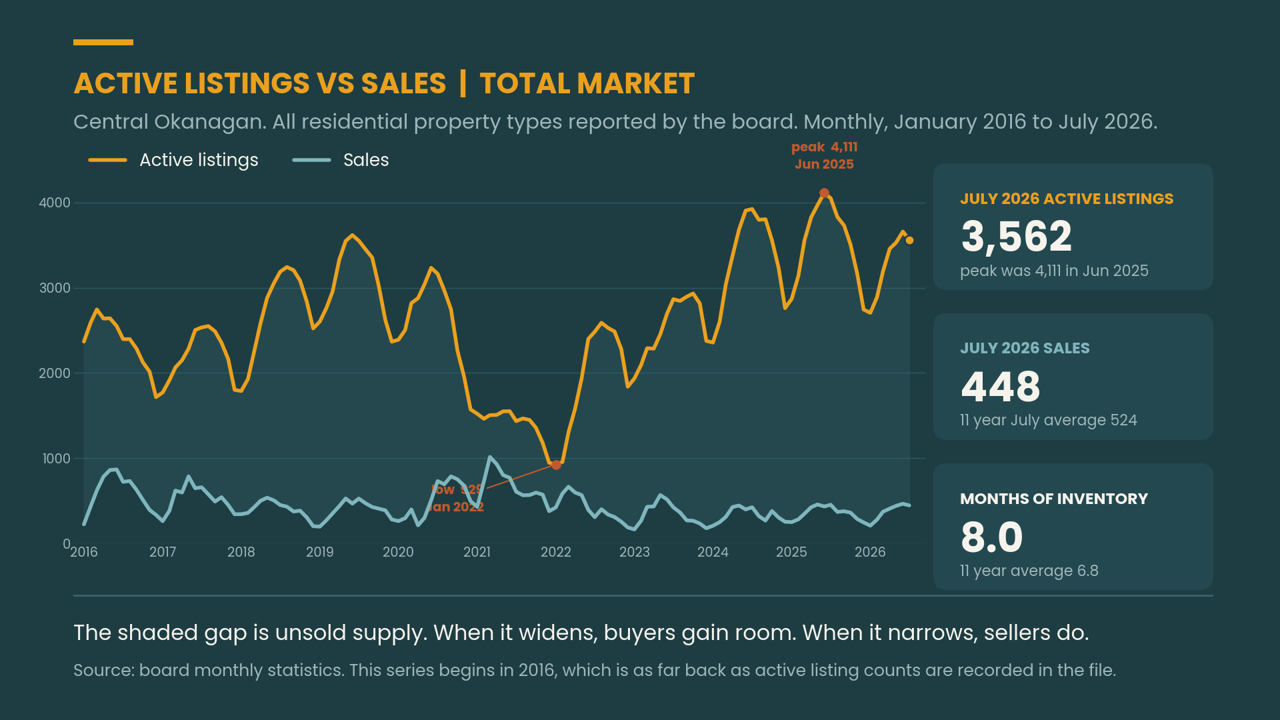
Inventory can rise.
Interest rates can reduce buyer demand.
Certain buildings, neighbourhoods or property types can perform differently from the overall market.
A buyer who owns for 10 years may have time to move through several market cycles.
A buyer who needs to sell after one or two years may not.
Renters are not directly exposed to a short-term decline in the value of the property they live in.
They may face other risks, including rising rent or needing to move, but they are not responsible for selling the property during a weak market.
This flexibility can be especially valuable when someone is unsure how long they will stay.
What Renting Does Not Give You
Renting has real benefits, but it also comes with trade-offs.
A renter usually does not receive:
- Growth in property value
- Mortgage principal paydown
- Full control over renovations
- Complete housing stability
- Protection from rent increases
- The ability to borrow against home equity
- A long-term asset to sell later
A tenant may also need to move if the owner sells or uses the property in a way permitted under tenancy law.
For someone planning to stay for many years, buying can provide greater control and long-term stability.
The purpose is not to prove that renting is better.
It is to show that renting is not automatically a financial mistake.
When Buying Starts to Make More Sense
Buying becomes more attractive when several things begin to line up.
You know where you want to live.
Your income is stable.
You have savings beyond the down payment.
You are comfortable with the responsibilities of ownership.
The property is likely to fit your life for several years.
You could continue owning even if prices temporarily fell.
You value stability more than flexibility.
At that point, ownership may give you the chance to reduce your mortgage balance, build equity and create a more permanent home.
The decision is strongest when you are buying because the home fits your plans—not because you feel embarrassed about renting.
How Long Do You Need to Stay for Buying to Work?
There is no guaranteed number.
However, the shorter your ownership period, the more difficult it can be to overcome buying and selling costs.
A person planning to own for one to three years is much more exposed to market changes.
Someone planning to own for five to 10 years has more time to:
- Reduce the mortgage balance
- Recover from a slow market
- Spread transaction costs across more years
- Wait for a better time to sell
- Make the property fit their changing needs
Our review of 11,827 Central Okanagan apartment resales found that results became more consistent as ownership periods increased.
Around the 10-year mark, owners had resold for more than their original recorded purchase price about 99% of the time.
That does not include every cost of ownership and is not a guarantee of future performance.
But it shows why time can matter more than perfectly choosing the month or year you buy.
Is Rent Really Going Toward Someone Else’s Mortgage?
Possibly.
A landlord may use rent to help pay the mortgage, taxes, strata fees, repairs and insurance on the property.
But that does not automatically mean the renter is making a poor decision.
When you stay in a hotel, the payment helps support the hotel owner’s business.
When you lease a vehicle, the payment helps the leasing company.
When you rent office space, the rent may help pay the building owner’s mortgage.
You are still receiving something valuable in return.
The correct question is not where the money goes after you pay it.
It is whether the service you receive is worth the cost.
For a renter, that service includes housing and flexibility without the full cost and responsibility of ownership.
Rent Is Not the Only Money That Disappears
It is easy to see rent leaving a bank account each month.
It is harder to notice the ownership expenses that also leave without building equity.
Mortgage interest does not build equity.
Property taxes do not build equity.
Insurance does not build equity.
Strata fees do not directly build personal equity.
Real estate commission does not build equity.
Legal fees do not build equity.
Repairs may protect the property’s value, but they do not always increase it by the amount spent.
Again, this does not make ownership a poor decision.
It means both renters and owners pay for housing.
The difference is in what they receive and what risks they accept.
The Emotional Pressure to Buy
Many renters feel as though they are behind.
They see friends buying homes.
They watch prices change.
They hear family members say they are wasting money.
They worry they will never catch up.
That pressure can lead someone to buy before they are ready.
A home is too large a decision to make because you feel judged.
Buying should improve your life.
It should not leave you with no emergency savings, no flexibility and constant fear about the next payment.
There is nothing wrong with wanting to own.
There is also nothing wrong with waiting until the decision fits.
A Better Rent-Versus-Buy Question
Instead of asking:
“Am I wasting money on rent?”
Ask:
- How long am I likely to stay?
- How stable is my work?
- Do I know which community fits me?
- How much money will I have left after buying?
- Could I handle an unexpected repair?
- Would I still want this home in five years?
- What happens if the market slows?
- Is stability or flexibility more valuable to me right now?
Those answers will tell you more than a general statement about rent ever could.
Renting Is Not Losing
Renting does not build home equity.
That part is true.
But it can help someone build savings, repair credit, change careers, learn a new city or avoid buying the wrong property.
It can protect someone from large transaction costs during an uncertain stage of life.
It can give a family time to choose between Kelowna, West Kelowna, Lake Country and Vernon based on real experience rather than online research.
Renting is not always the best decision.
Buying is not always the best decision either.
The best choice is the one that matches your finances, your plans and the stage of life you are in.
You are not behind because you rent.
You may simply be choosing flexibility until you are ready to choose stability.
Renting is not throwing money away when it helps you avoid throwing money at the wrong home.
Are You Deciding Whether to Rent or Buy in Kelowna?
To talk through which option fits your life, contact us anytime.
No pressure.
Just a conversation about where you are today and where you want to be next.
Mark & Maddie Coons
Selling Okanagan Group | eXp Realty Kelowna
Office: 778-946-6454
Cell: 250-801-0361
[email protected]
Important Note
This article provides general information only. It is not legal, tax, mortgage or financial advice. The right choice depends on your income, savings, housing needs, expected ownership period and the specific property you are considering.