Forest Fires in the Okanagan: Where to Buy if You’re Concerned About It
A smart guide for Living in Kelowna with wildfire risk in mind
If wildfire risk is on your mind, you are not overthinking it.
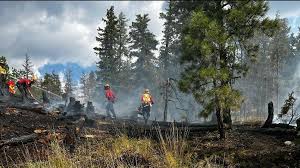
For many buyers, Living in Kelowna and the broader Okanagan still makes a lot of sense. The lifestyle is hard to beat. But after major fire seasons and the 2023 McDougall Creek wildfire, more people are asking a fair question: Where should I buy if I want to lower my wildfire exposure?
The good news is this: you do not need to avoid the Okanagan altogether.
The better approach is to buy smarter.
This means looking at location, lot type, surrounding vegetation, road access, building design, and FireSmart readiness—not just the view or price tag. FireSmart BC says wildfire is a risk for all British Columbians, and its guidance focuses heavily on home design and the area immediately around the home because embers are a major cause of home ignition.
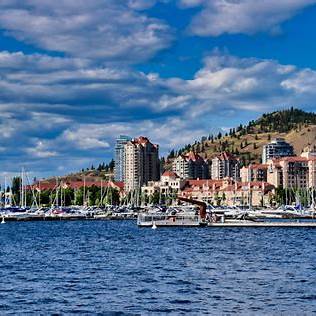
[Image Placeholder: Suggested royalty-free photo of Okanagan Lake and Kelowna skyline]
Why buyers are asking this now
The Okanagan has real wildfire history
The Central Okanagan faces recurring wildfire risk because of dry summers, forested hillsides, and its long wildfire history. The City of Kelowna specifically points to the 2003 wildfire and more recent seasons as reasons for ongoing prevention and resiliency work.
Living in Kelowna does not mean ignoring risk
It means understanding risk properly.
No neighbourhood is “fire-proof.” But some homes and areas are generally better positioned if you are worried about wildfire because they are more urban, have less nearby forest fuel, better road networks, and more FireSmart-friendly surroundings. That is a practical real estate conversation—not a fear-based one.
The biggest mistake buyers make
They focus only on the map
A lot of buyers look at a hillside home and assume it is automatically bad. Others look at a city condo and assume it is automatically safe.
That is too simple.
FireSmart BC says many homes are ignited by embers, not direct flames, and the most important area to manage is the space closest to the home. In its guide, FireSmart says an estimated 90% of homes damaged or destroyed by wildland fire are ignited by sparks and embers.
What matters more than just the neighbourhood
Ask:
-
Is the home close to thick trees or unmanaged brush?
-
Is it on a steep hillside?
-
Is there only one road in and out?
-
Does the lot back onto forest or open grassland?
-
Is the roof, deck, and landscaping FireSmart-friendly?
-
Is this a dense urban area or a wildland-urban interface area?
What to look for if wildfire risk matters to you
1. More urban, less interface
Kelowna’s Official Community Plan focuses much of future growth into the Core Area and Urban Centres, while West Kelowna’s OCP also identifies Urban Centres like Westbank and Boucherie. In general, more urban areas often mean less immediate contact with forested interface land.
2. Smaller, easier-to-manage lots
A big rural lot may feel private, but it can also mean:
-
More trees
-
More brush
-
More maintenance
-
More places for embers to land
For buyers focused on Living in Kelowna with less wildfire stress, compact lots or attached housing can be easier to manage.
3. Multiple routes in and out
Emergency access matters.
A home in a neighbourhood with stronger road connectivity can feel very different from a home tucked into a steep area with limited exits.
4. FireSmart features
Look for:
-
Non-combustible or low-combustible roofing
-
Clean gutters and rooflines
-
Reduced cedar hedges and juniper near the home
-
Gravel, stone, irrigated lawn, or low-flammability landscaping near the house
-
Clean decks, balconies, and under-deck areas
Kelowna’s FireSmart program specifically targets highly flammable plants like juniper, cedar hedges, mugo pine, and conifer branches because they can carry fire quickly toward homes.
So where should you buy in the Okanagan if you are worried about fires?
Best fit: more urban parts of Kelowna
Downtown Kelowna, Central Kelowna, South Pandosy, Capri-Landmark, and parts of Rutland
These types of areas often make sense for buyers concerned about wildfire because they are typically:
-
More built out
-
Less exposed to forest edge conditions
-
Closer to services
-
Easier to maintain
-
Better for condo, townhome, or compact-lot living
That does not mean zero risk. It means the setting is often less exposed than a home that backs onto heavy forest or hillside brush.
If your goal is lower-maintenance Kelowna real estate, this is where many buyers start.
👉 See the latest homes for sale in Kelowna here
Good option: central West Kelowna, not deep hillside pockets
Parts of Westbank and Boucherie-area urban form can make sense
West Kelowna has beautiful neighbourhoods, but wildfire exposure can vary a lot depending on elevation, surrounding vegetation, and road layout.
If this area appeals to you, many buyers worried about wildfire tend to feel more comfortable in more central, serviced, urban-style areas rather than heavily treed hillside pockets. West Kelowna’s planning documents include both Urban Centres and wildfire interface planning, which shows how mixed the risk profile can be across the city.
Mixed option: Lake Country depends heavily on location
Some areas feel more urban, others much more interface-driven
Lake Country offers amazing views and lifestyle, but it also has its own emergency preparedness and wildfire planning documents in place, which tells you wildfire risk is part of the local reality there too.
If you are considering Lake Country, pay close attention to:
Slope
Steeper lots can increase complexity.
Vegetation
Homes near unmanaged grass, pine, or brush deserve extra review.
Access
Limited road access can be a concern.
Construction and landscaping
A well-prepared property can be very different from a neglected one.
Home types that may work best if you want lower wildfire stress
Condos and townhomes in more urban areas
For many buyers moving to Kelowna, this is the simplest play.
Why?
-
Less exterior maintenance
-
Less private vegetation to manage
-
Often more central locations
-
Easier lock-and-leave lifestyle
-
Strong fit for buyers who want the Okanagan lifestyle without a larger lot
Newer homes with better materials and cleaner setbacks
A newer home in a well-planned area may offer:
-
Better building materials
-
Cleaner landscaping
-
More modern site planning
-
Easier insurance conversations
📥 Download our free Kelowna Home Buyer’s Guide Here
Home types that may need more caution
Large rural properties
These can be beautiful, but wildfire-conscious buyers should go in with eyes open.
Hillside homes with heavy vegetation behind them
Views are great. Risk can be higher too.
Homes with cedar hedges, juniper, wood piles, and clutter near the structure
FireSmart guidance is clear: the area right around the home matters a lot.
Questions to ask before buying
Ask these before you write an offer
1.Has the seller completed FireSmart work?
2.What does the lot back onto?
3.How many roads lead out of the neighbourhood?
4.Are there combustible hedges or trees close to the home?
5.What is the roof material?
6.Has the property ever been under evacuation alert or order?
7.Is insurance harder or more expensive here?
These are smart real estate questions now. They should be part of your due diligence.
A better way to think about Living in Kelowna
Don’t ask: “Where is there no fire risk?”
That is the wrong question.
Ask: “Where can I enjoy the Okanagan and reduce my exposure?”
That is the better one.
For many buyers, the answer is:
-
More central Kelowna homes for sale
-
Lower-maintenance housing
-
Urban or near-urban settings
-
Good access and services
-
FireSmart-ready properties
That is often the sweet spot between lifestyle and risk management.
My honest take as a local real estate professional
If wildfire risk is a big concern for you, I would usually start your search with:
First choice
Urban condos and townhomes in central Kelowna
Second choice
Compact-lot homes in established, more central neighbourhoods
Third choice
Select parts of West Kelowna or Lake Country where the setting is more urban and less interface-exposed
That approach lets you enjoy Living in Kelowna while being more intentional about risk.
[Image Placeholder: Suggested royalty-free photo of family walking in a central Kelowna neighbourhood]
Final thoughts on Living in Kelowna and wildfire risk
You do not need to avoid the Okanagan to make a smart move.
But you should be thoughtful.
The best buyers today are not just looking at price per square foot. They are looking at resilience, maintenance, access, and long-term peace of mind. That is especially true if you are moving to Kelowna for lifestyle, retirement, or a family move.
If you want help comparing Kelowna real estate, West Kelowna, and Lake Country through a wildfire-conscious lens, we can help you narrow down the right fit.
📩 Subscribe Here to our weekly email update for listings and market insights.
Contact Mark & Maddie for help with Kelowna and Okanagan real estate
If you want help finding the right home while keeping wildfire risk, lifestyle, commute, and resale value in mind, reach out anytime.
Mark Coons, BBA, CE
REALTOR® | eXp Realty Kelowna
Team Lead, Selling Okanagan Group
Relocated to Kelowna in 2018
📞 778-744-0872
📩 [email protected]
When it comes to Living in Kelowna, smart buying is not about fear.
It is about asking better questions and choosing the right location for your goals.