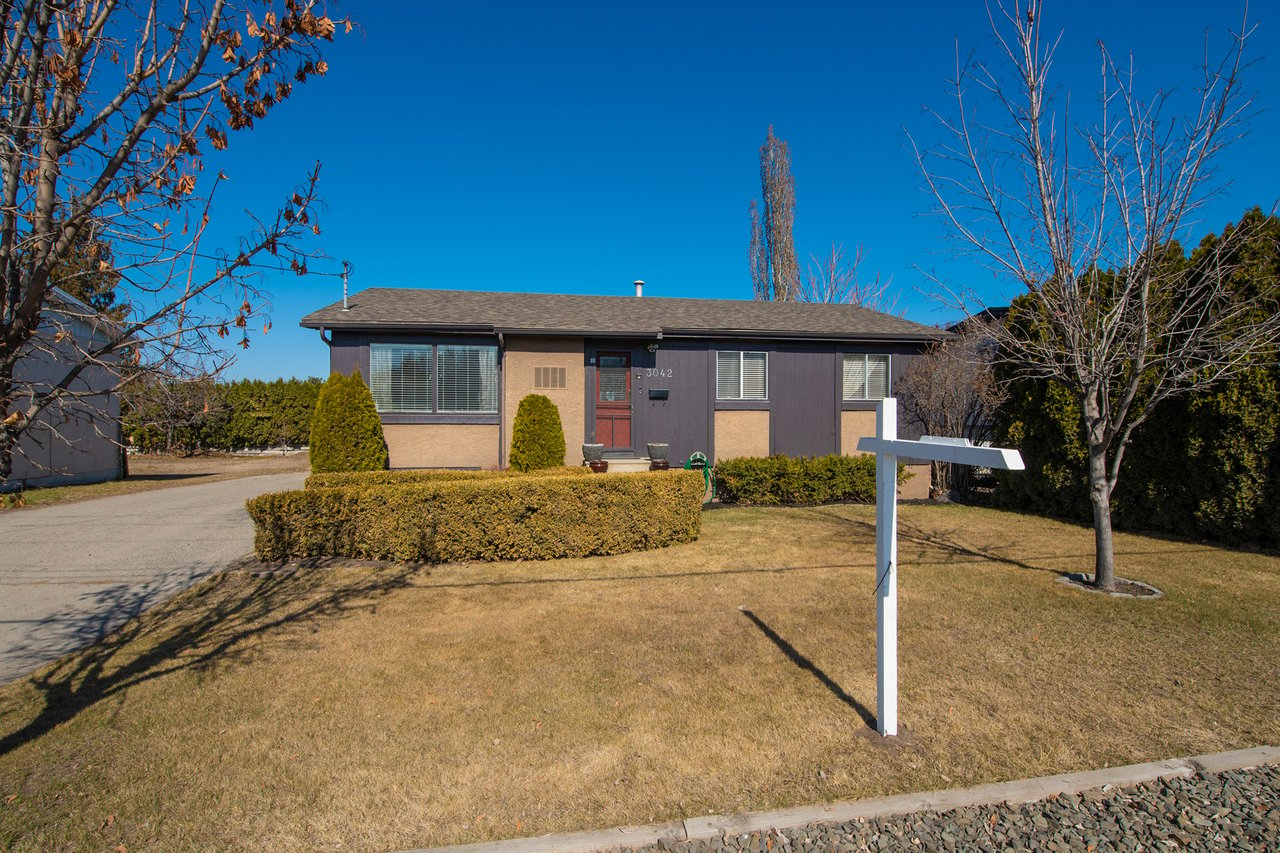
In BC, the executor (or a court-appointed administrator) is usually the person with authority to sell an estate home, and a grant of probate is often needed before the sale can be completed, unless the home passes another way, such as joint tenancy. You can protect the home, get a fair price range and plan the sale early. Confirm the timing, your authority and how any offer should be written with the estate's lawyer.
This article is general information, not legal or tax advice. Every estate is different, so work with the estate's lawyer and accountant.
Handling an estate home? Start with a fair price range
A no-obligation market evaluation based on recent sales, with the comparables written down so beneficiaries can see how it was reached.
Being named executor usually happens at a hard time. You're grieving, family members have opinions, and suddenly you're responsible for a house, sometimes one full of a lifetime of belongings.
Maddie and I have helped families in Kelowna, West Kelowna, Lake Country and Peachland sell homes as part of an estate. We're not lawyers, and nothing here replaces legal advice. What we can do is explain how the real estate side usually fits with the legal side, so you know what questions to ask and in what order.
Who has the authority to sell an estate home in BC?
If there's a will, it usually names an executor, the person who carries out its instructions. If there's no will, or the will doesn't name an executor who can act, someone can apply to the court to be the administrator (Province of BC, "After a Death: Deal with wills and estates", updated Sept 28, 2026).
The Province lists "selling assets as necessary and distributing the estate" among the basic duties of an executor or administrator (same source).
Being named in a will doesn't mean you have to act. A BC legal-information guide explains that you can decline the role only if you haven't already started dealing with estate assets, and that once you start, you're legally bound to finish unless a court relieves you (Clicklaw Wikibooks, "Your Duties As Executor", last reviewed for legal accuracy October 2018).
Do you need probate to sell the house?
Often, yes. Probate is a court process: the court document confirming that a will is valid is called a "grant of probate," and you apply for it at a BC Supreme Court registry. Organizations that hold a deceased person's assets can require probate before they'll transfer those assets to the executor (Province of BC, same page).
There are exceptions. If the deceased owned the home in joint tenancy with another person, probate isn't required; the survivor files an application at the Land Title Office with the death certificate to register the home in their name (Clicklaw Wikibooks, same page). In that case, the survivor, not the estate, is usually the one selling.
Can you list before probate? Many executors start the practical work early: securing the home, sorting belongings, and getting a price range. Whether you can list before the grant is issued, and how an offer should be written so completion lines up with probate, are questions for the estate's lawyer. How long probate takes also varies, so we don't promise a date. Ask the lawyer for a realistic estimate and plan around it.
How do you protect the property while the estate is settled?
An empty house carries risk. Before you think about listing:
- Call the insurer right away. The Clicklaw guide notes that most home insurance policies cancel automatically if a home is vacant for more than 30 days, and suggests asking the insurance agent about a vacancy permit (Clicklaw Wikibooks, same page). Policies differ, so confirm the terms of the estate's policy with the insurer.
- Change the locks and move valuables to safe storage (same source).
- Keep the utilities on in winter so pipes don't freeze, and arrange regular checks.
- Redirect the mail and cancel subscriptions and charge cards, which the Province lists among the executor's duties.
- Keep records of every expense you pay for the property. You'll need them for the estate accounts.
How should you price an estate home fairly?
Executors have a duty to the beneficiaries, so pricing is about getting fair market value and being able to show how you got there.
- Start with recent sales, not the BC Assessment. Assessments are set for property tax at an earlier date and don't account for the home's current condition.
- Consider an appraisal if beneficiaries disagree, if a family member wants to buy the home, or if the lawyer recommends one.
- Be honest about condition. Many estate homes haven't been updated in years. Buyers will price that in, so it's better to price for it up front.
- Document your decision. Keep the comparable sales, the advice you received and the reasons for your list price.
A market evaluation from us is free, and you can request one here. We'll show you the sales behind the number.
What's different about listing and selling an estate home?
A few things:
- Disclosure. An executor usually didn't live in the home and may know little about its history. Ask the estate's lawyer how to handle the property disclosure, and expect buyers to rely on their own inspections.
- "As is" sales. Many estate homes are sold as is, but small, inexpensive fixes and a thorough clean can still make a real difference.
- Belongings. Plan time to sort, distribute and clear contents before photos and showings.
- Several decision-makers. If there are co-executors, agree in advance on who signs and how decisions are made.
Our closing costs for Kelowna sellers post covers the usual costs at completion, and our seller's guide walks through the listing steps.
Not sure where to start? Get a step-by-step plan
Tell us a little about the estate and your timeline, and we'll send back a plan for the property side, working alongside your lawyer.
What taxes apply when an estate sells a home?
Taxes involve both federal and BC rules. This is general information; the estate should work with an accountant.
Federal (CRA): When a person dies, they're considered to have sold their property just before death at fair market value. This is called a deemed disposition, and it can create a capital gain unless the property goes to a spouse or common-law partner or another exception applies. If the home was the person's principal residence, some or all of the gain may be exempt, but the executor must still designate it on Schedule 3 and Form T1255 in the final return. If the estate sells the home later, any gain after death is reported on a T3 return for the estate (Canada Revenue Agency, "Taxable capital gains on property, investments, and belongings").
CRA also explains why executors should get a clearance certificate before distributing the estate (CRA, "Doing taxes for someone who died").
BC: A probate fee, based on the value of the estate's property, is paid to the provincial government before the grant is issued (Probate Fee Act, s.2). Ask the lawyer for the amount for your estate. Property transfer tax is paid by the person who buys or gains an interest in the property, not the seller (Province of BC, "Property transfer tax").
When can the money be distributed to beneficiaries?
Not immediately. The Clicklaw guide explains that a spouse or child can apply to vary a will within 180 days of the grant of probate, plus 30 days to serve the claim, so executors generally wait at least 210 days from the grant before distributing, with some exceptions (Clicklaw Wikibooks, same page, last reviewed 2018). Confirm the current rules and your timeline with the estate's lawyer. Selling the home and distributing the money are separate steps.
What if beneficiaries disagree, or one wants to buy the home?
This is common and understandable. If a family member wants to buy, a recent appraisal and a written record help show the price is fair to everyone. If beneficiaries disagree about whether or when to sell, the estate's lawyer is the right person to advise. Our role is to provide clear market information that everyone can see.
Estate sale, foreclosure or court-ordered sale: what's the difference?
They're often confused. In an estate sale, the executor sells on behalf of the estate. In a foreclosure or court-ordered sale, a lender has gone to court. We explain the buyer's side in foreclosure listings vs estate sales in BC.
Frequently asked questions
Can an executor sell a house before probate in BC?
Often, the sale can't be completed until the grant of probate is issued, unless the home passes another way, such as joint tenancy. Executors can usually start preparing the home and getting a price range in the meantime. Ask the estate's lawyer whether and when to list, and how the offer should be written.
How long does probate take in BC?
It varies with the estate and the court registry. Ask the estate's lawyer for a realistic estimate.
Do I need the beneficiaries' approval to sell?
It depends on the will and the circumstances. Ask the lawyer, and keep beneficiaries informed in writing either way.
Is an estate home sold "as is"?
Often. Ask the lawyer how to handle disclosure; buyers usually rely on their own inspection.
Are there taxes when an estate sells a home?
Possibly. CRA treats the home as sold at death (a deemed disposition); a principal residence may be exempt but must be designated. Gains after death go on the estate's T3 return. BC charges a probate fee before the grant is issued.
Should I clear out the house before listing?
Usually yes, at least enough for photos and showings. Agree with beneficiaries on who gets what first.
Talk to us before you list
If you're handling an estate in the Kelowna area, a short conversation early can save time later. We're glad to work alongside the estate's lawyer and accountant.
Request a no-obligation market evaluation
A clear, documented price range for the estate home, to share with co-executors and beneficiaries.
Or call Maddie and Mark at 778-946-6454.
Regards,
Mark Coons
Selling Okanagan Group, eXp Realty