Thinking About Selling Your Home and Buying Another? Here's Exactly What to Do First
You love the idea of a new home — more space, a different neighbourhood, a fresh start. But every time you sit down to figure out how to make it happen, the questions pile up fast.
Do I sell first? What if I can't find a place in time? What if I buy and my home doesn't sell?
If that sounds familiar, you're not alone. This is one of the most common situations homeowners face, and one of the most misunderstood. The good news: with the right steps in the right order, selling your home and buying another in the same market is absolutely doable — and it doesn't have to be a white-knuckle experience.
Here's exactly where to start.
Step 1: Get a Clear Picture of What Your Home Is Worth
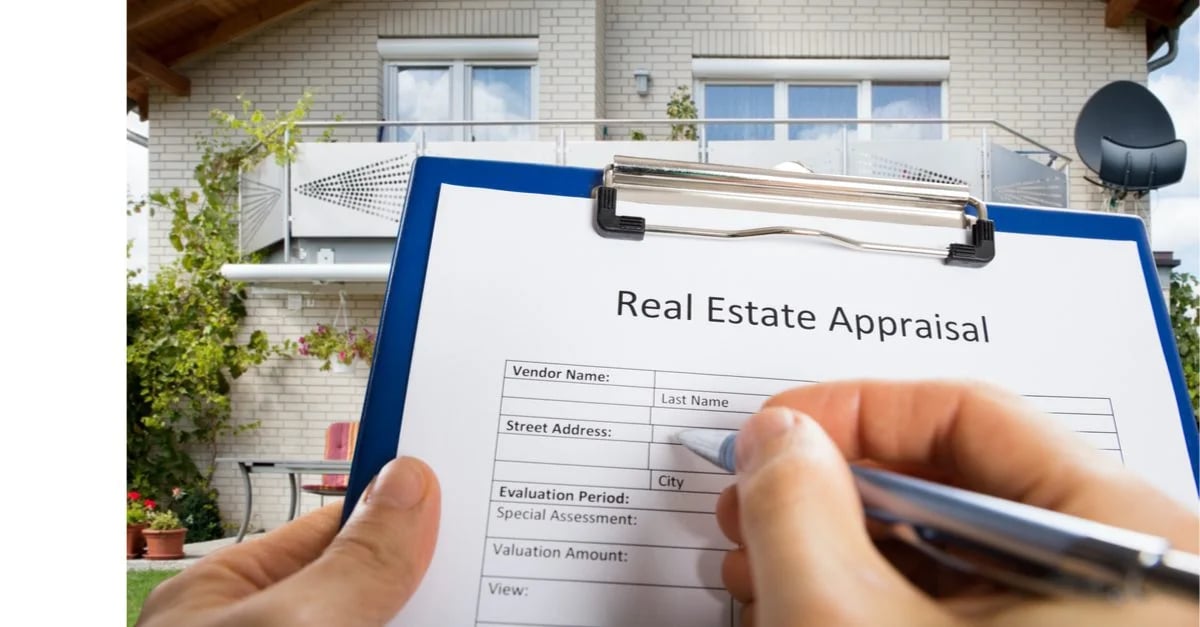
Before you can plan anything, you need one number: what your home will realistically sell for in today's market.
This isn't the Zestimate. It's not what your neighbour got two years ago. It's a current, honest assessment based on recent comparable sales, your home's condition, and where the market sits right now.
A knowledgeable local real estate agent can give you a Comparative Market Analysis (CMA) at no charge. This single conversation will tell you how much equity you're working with — and that number drives every decision that follows. If you're ready for this step - Get your free home valuation here.
Step 2: Talk to a Mortgage Professional Before You Do Anything Else
Many move-up buyers skip this step. Don't.
A mortgage broker or lender will look at your complete financial picture — your current mortgage, your income, your debt ratios, and your equity — and tell you exactly what you can afford in your next home. They'll also walk you through your financing options, which often include:
- Buying first, then selling — possible if you can carry two mortgages temporarily or qualify for bridge financing
- Selling first, then buying — less financial risk, but means you'll need somewhere to live between transactions
- A coordinated sale and purchase with aligned closing dates — the most common approach, and very achievable with the right planning
Knowing your financing position removes the guesswork and puts you in control.
Step 3: Define What You Actually Need in Your Next Home
Once you know your budget, get specific about what you're looking for — not just "more space," but actual criteria. Number of bedrooms. School zone. Proximity to work. Garage. A main-floor primary bedroom. Whatever matters to your life right now.
Separating your must-haves from your nice-to-haves is critical. In a competitive market, clarity is what lets you move quickly and confidently when the right home appears. Buyers who haven't done this work hesitate — and hesitation is costly.
Step 4: Understand the Local Market Conditions
Selling and buying in the same market means you're on both sides of the same conditions. In a seller's market, your home will likely sell fast and strong — but so will the homes you want to buy. In a buyer's market, you'll have more selection for your purchase, but your sale may take longer or require more flexibility on price.
Your agent should walk you through what's happening locally right now: average days on market, list-to-sale price ratios, and inventory levels. This context shapes your strategy, your timeline, and your expectations.
Step 5: Prepare Your Home for Sale Before You List
One of the biggest mistakes move-up buyers make is listing their home before it's truly ready, then scrambling to prep while showings are happening.
Walk through your home with your agent before you list. Get their honest feedback on what's worth addressing — a fresh coat of paint, decluttering, minor repairs, a bit of staging — and what can be left as-is. Small investments in presentation consistently lead to faster sales and stronger offers.
Preparing your home properly also gives you a confidence boost: you know your home is showing at its best, which means fewer days on market and more leverage in negotiations.
Step 6: Coordinate Your Timelines Strategically
This is where experience really matters. The goal is to align your sale closing date and your purchase closing date so you're not caught without a home — or carrying two mortgages longer than planned.
Common strategies include:
- Negotiating a longer closing on your sale to give you time to find and purchase your next home
- Including a purchase condition on your new home tied to the sale of your current one (subject to sale)
- Using bridge financing to cover a short gap between closings if needed
- Renting temporarily if you want to sell first, take your time, and buy without pressure
There's no single right answer. The best approach depends on your financial situation, your risk tolerance, and what the market will allow. A skilled agent will help you structure offers and negotiations on both sides to minimize the gap and the stress.
Step 7: Work with One Agent Who Handles Both Sides
This is perhaps the most underrated piece of advice on this list.
When you work with one trusted agent for both your sale and your purchase, everything is coordinated. Your timelines talk to each other. Your agent is negotiating with your full picture in mind — not just one transaction. Communication is streamlined. And you avoid the very real risk of two separate agents making decisions that conflict with each other.
Find someone who knows the local market deeply, communicates proactively, and has experience managing simultaneous transactions. That relationship is worth more than you might expect.
The Bottom Line
Selling your home and buying another in the same market isn't as complicated as it feels at the start — but it does require the right preparation and the right sequence of steps.
Start with your home's value. Know your financing. Define your goals. Understand the market. Prepare your home. Coordinate your timelines. And work with someone who can manage both sides of the move.
If you're at the "I don't even know where to start" stage, that's exactly where a good conversation with a local real estate professional makes all the difference.
Ready to figure out what your home is worth and what your next move could look like? [Get in touch today — no pressure, no obligation, just answers.]