Lake Country gives you a quieter Okanagan lifestyle without feeling completely removed from Kelowna.
You’ll find lakes, vineyards, orchards, newer neighbourhoods and rural acreages. But you’ll also find growing pains, traffic and large differences between communities.
Here’s what you should know before buying a home in Lake Country.
Lake Country is an independent municipality located between Kelowna and Vernon. It includes four main communities: Winfield, Oyama, Okanagan Centre and Carr’s Landing.
Winfield is the main service centre and is closest to Highway 97. Depending on where you live, Kelowna International Airport can be only a few minutes away. UBC Okanagan and north Kelowna are also nearby.
The simple answer: Lake Country works well for people who want more space while staying connected to Kelowna.
Here’s what locals usually notice first: the community feels more rural and relaxed than Kelowna.
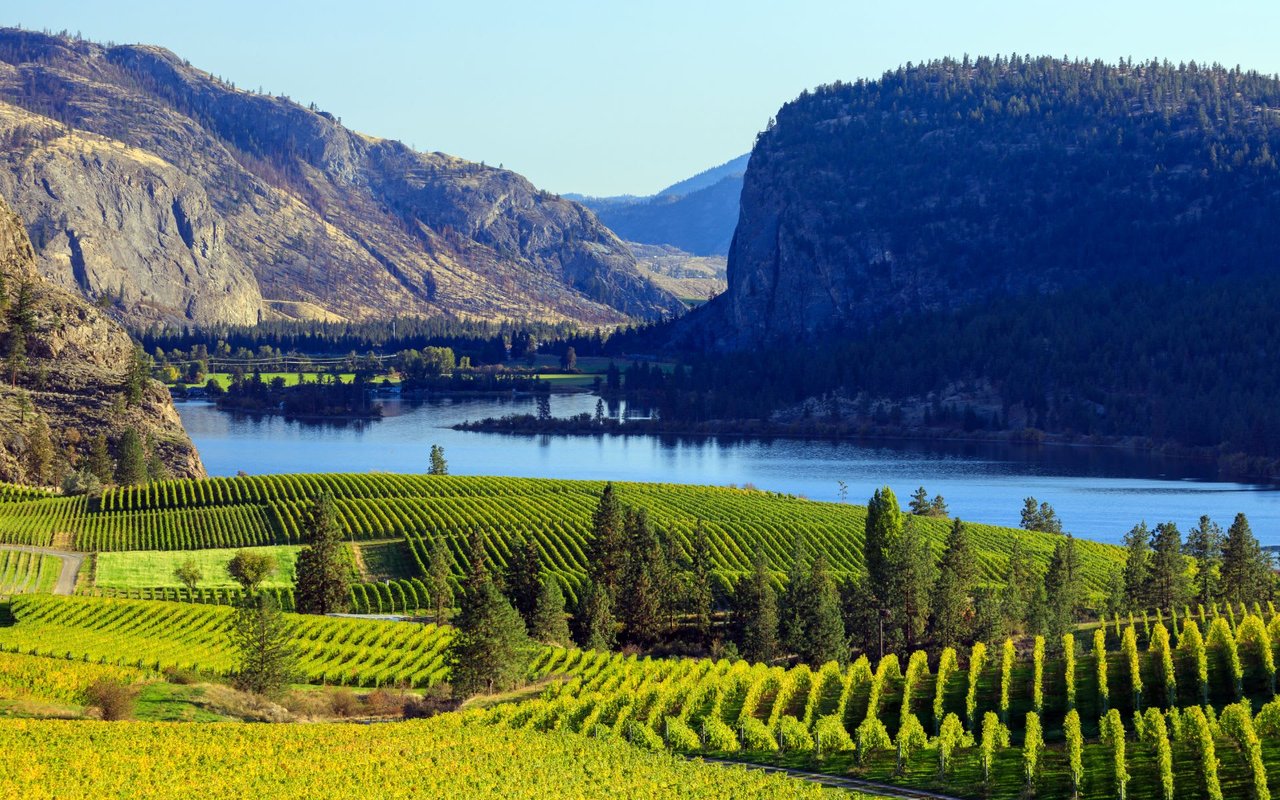
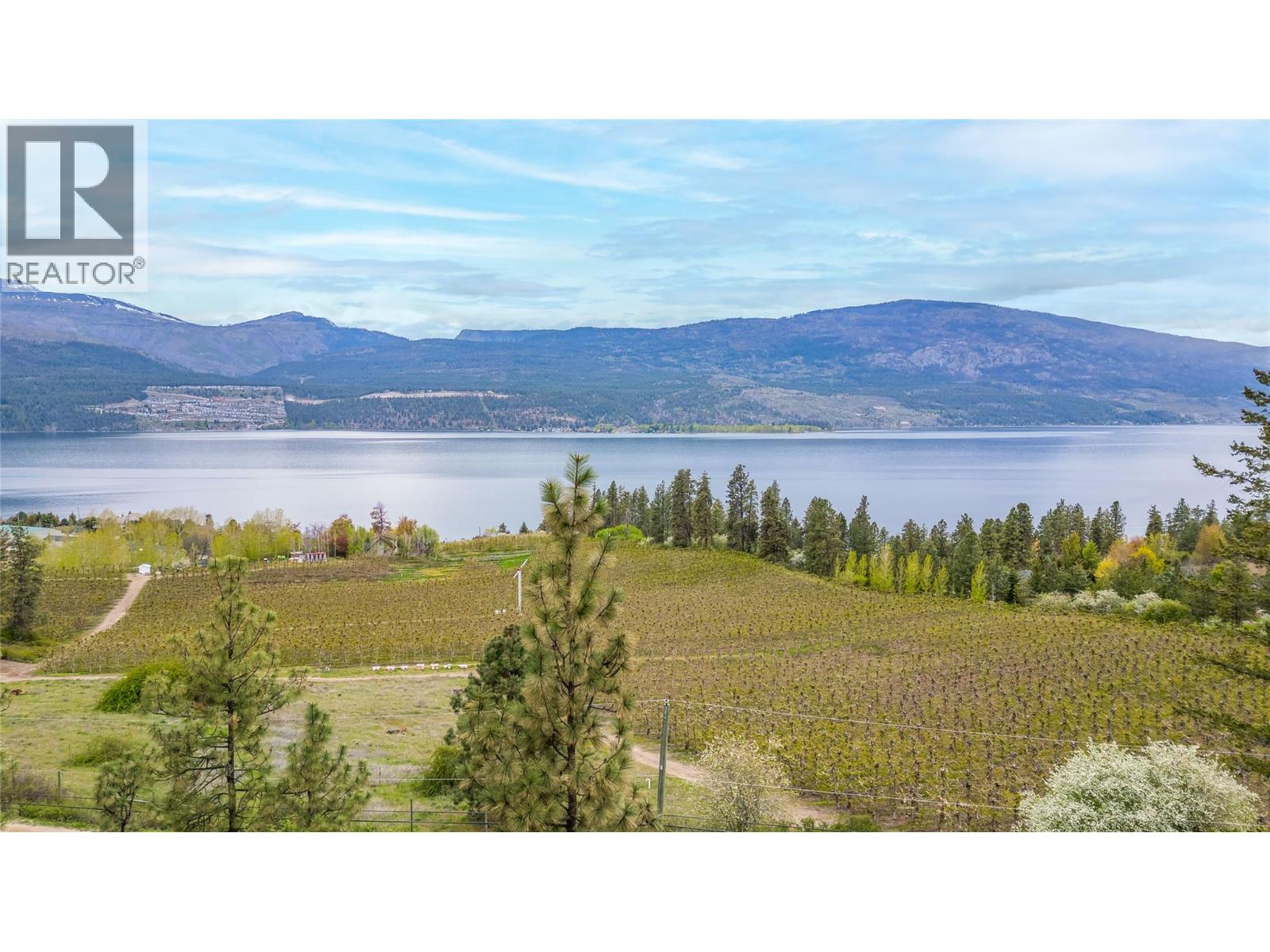
Lake Country sits around Okanagan Lake, Wood Lake and Kalamalka Lake. Residents can swim, boat, fish, cycle or visit beaches without driving far. The area also has vineyards, orchards, farm stands and the Scenic Sip Wine Trail.
Each area feels different:
Lake Country is not one single type of community. Choosing the right neighbourhood matters as much as choosing the house.
Lake Country often attracts several different types of buyers:
Lake Country’s population grew by approximately 22% between 2016 and 2021. Its new Official Community Plan directs much of the future growth toward serviced areas while continuing to protect farmland and rural land.
Who is it best for? Buyers who value lifestyle and space more than downtown convenience.
Not really—but it depends on the neighbourhood.
Central Winfield and the Woodsdale area provide better access to shops, schools and daily services. Outside those areas, most residents find owning a vehicle much easier.
Regional transit connects Lake Country with Kelowna and other Central Okanagan communities. However, Highway 97 remains the main north-south route for many commuters.
Recreation is different. The Okanagan Rail Trail provides approximately 52 kilometres of low-grade trail through Lake Country and neighbouring communities. It is great for walking and cycling, but it does not replace driving for most daily errands.
Lake Country also has three elementary schools, one middle school and one secondary school.
The honest answer: You can enjoy an active outdoor lifestyle, but most households will still want a vehicle.
A lot of people ask for the “average Lake Country home price.” Here’s the problem: one average can be misleading.
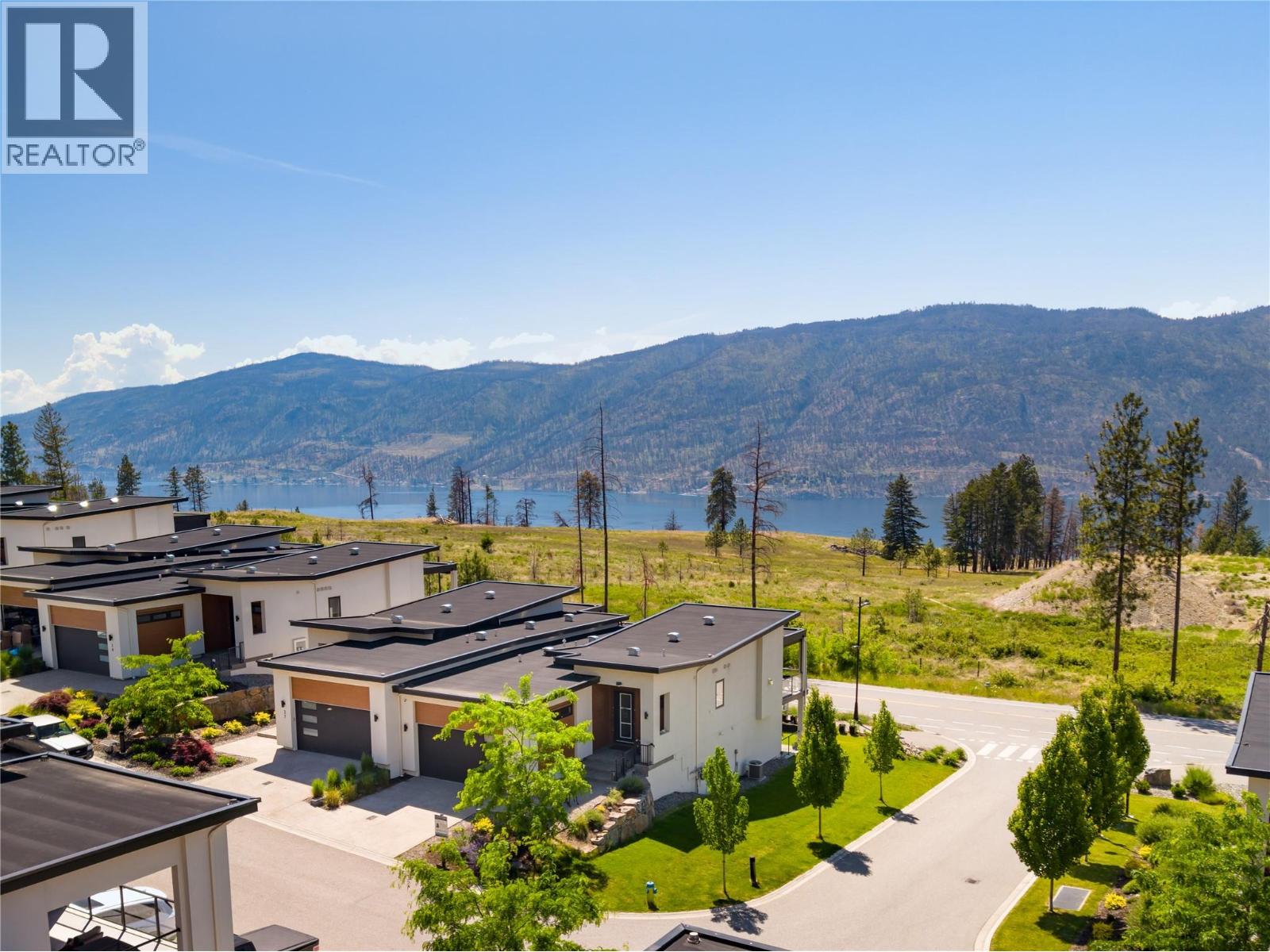
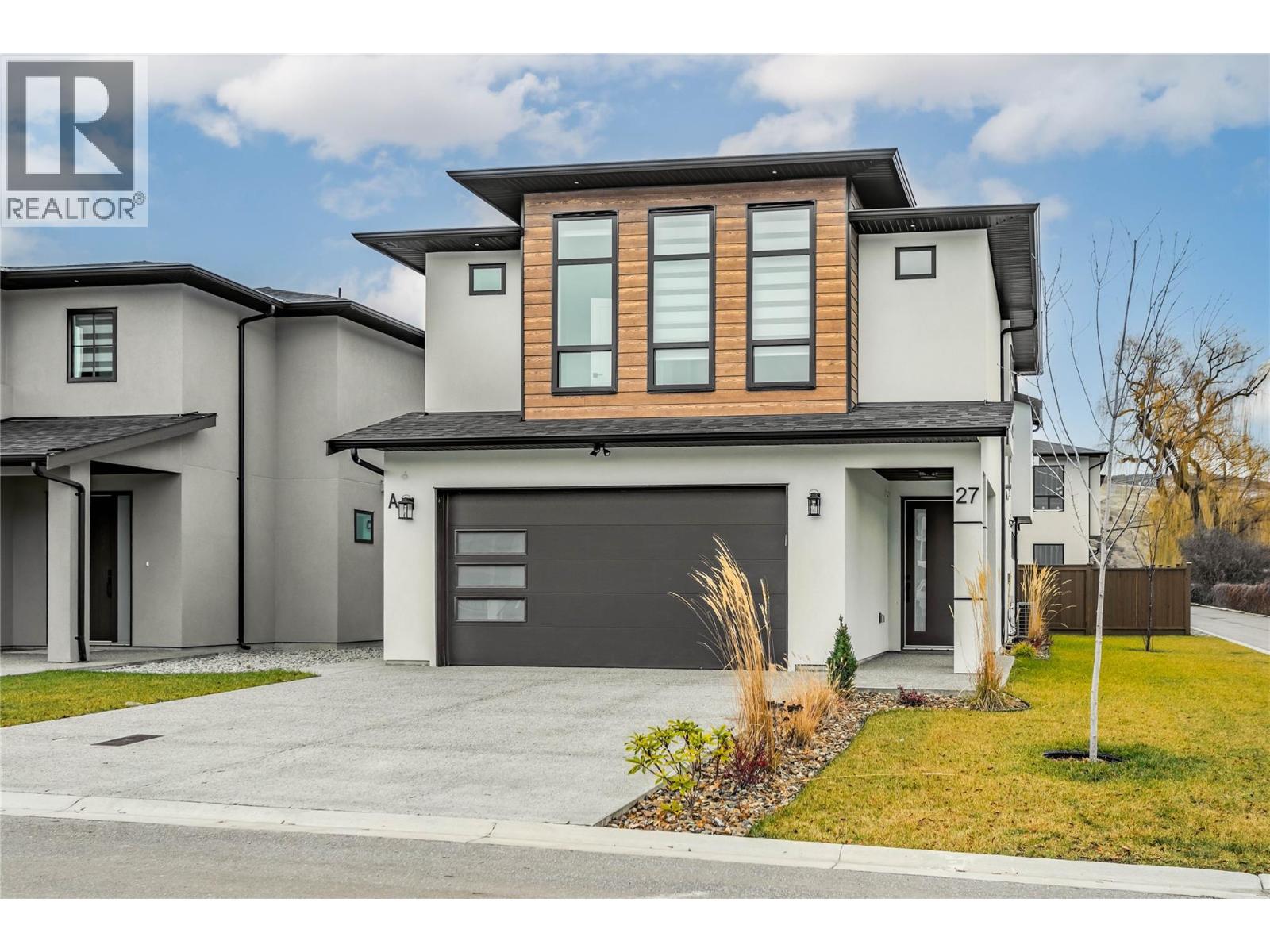
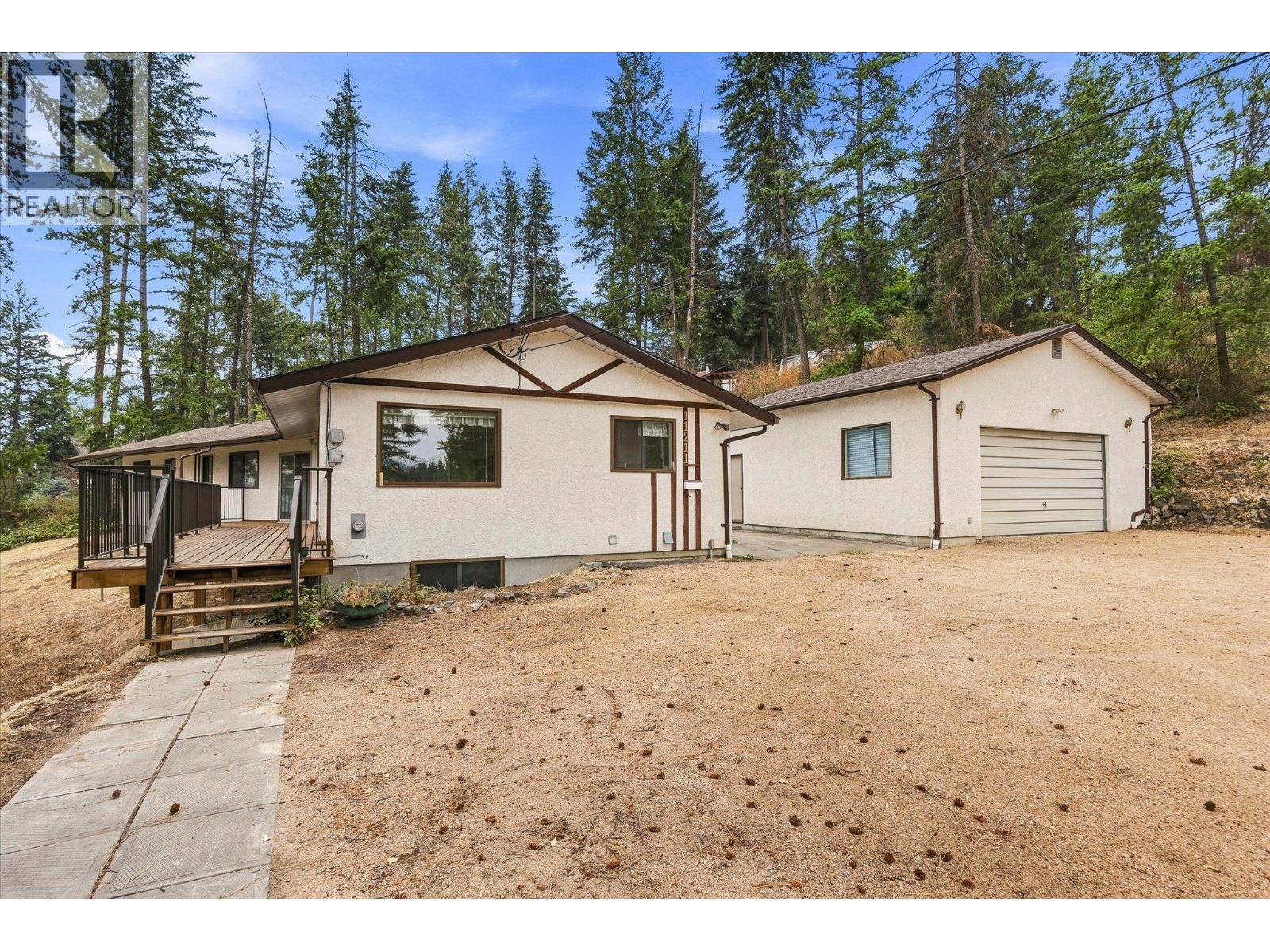
Lake Country contains manufactured homes, townhouses, new subdivisions, older houses, rural acreages and multi-million-dollar waterfront estates. Current listings cover nearly every part of that range.
For wider Okanagan context, median sale prices during the second quarter of 2026 were:
Those numbers cover the broader Okanagan market, not Lake Country alone.
The street, view, property type, age, water system and development potential can create major differences between two seemingly similar homes.
The better question is: What can your budget buy in the part of Lake Country that fits your life?
For many residents, it is traffic and driving.
Highway 97 can become busy during commuting hours and summer travel periods. Some neighbourhoods also have steep roads, limited sidewalks or longer drives to groceries and services.
Zoning deserves attention as well. Lake Country’s zoning rules control permitted uses, density, building height, setbacks and parking. Never assume that an acreage can be subdivided or that a secondary use will automatically be allowed.
The downside: The peaceful setting can mean less convenience and more property-specific homework.
Yes—when the property matches your long-term plans.
Broader Okanagan prices were not racing upward during the second quarter of 2026. Detached and townhouse median prices were slightly lower than one year earlier, while apartment prices were modestly higher. That can give careful buyers more time to compare options than they had during faster markets.
Lake Country may be a strong fit when you want:
It may be a poor fit when you want highly walkable living, a short downtown commute or guaranteed short-term appreciation.
The answer: Buy for the lifestyle and property fundamentals—not simply because someone says Lake Country is growing.
Is Lake Country considered part of Kelowna?
No. Lake Country is its own municipality located directly north of Kelowna and south of Vernon.
How long does it take to drive from Lake Country to Kelowna?
It depends on your neighbourhood, traffic and destination. Homes near Winfield are closer to the airport and north Kelowna, while Oyama and Carr’s Landing require a longer drive.
Is Lake Country good for families?
Yes, especially for families wanting outdoor space, neighbourhood parks, local schools and access to lakes and trails. However, school catchments and commute times should be checked before purchasing.
If you’re thinking about buying, selling, or investing in Lake Country, Mark & Maddie with Selling Okanagan Group | eXp Realty Kelowna are your trusted local experts.
📧 [email protected] | 📞 778-744-0872
For insight that actually answers your questions — let’s talk about your goals and the best opportunities in Lake Country.
15,496 people live in Lake Country, where the median age is 45 and the average individual income is $130,745. Data provided by Statistics Canada.
Total Population
Median Age
Average individual Income
There's plenty to do around Lake Country, including shopping, dining, nightlife, parks, and more. Data provided by Walk Score and Yelp.
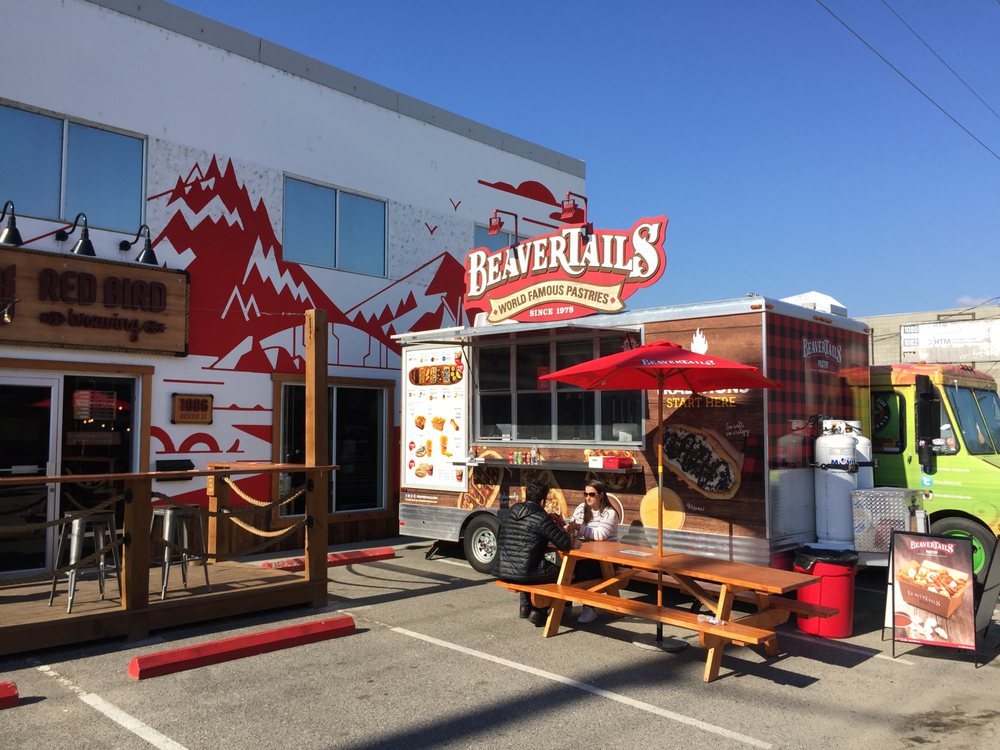
Explore popular things to do in the area, including BeaverTails Mobile, Oyama Sunblush Bakery, and Team Eats.
| Name | Category | Distance | Reviews |
Ratings by
Yelp
|
|---|---|---|---|---|
| Dining | 0.92 miles | 0 reviews | 0/5 stars | |
| Dining | 1.34 miles | 4 reviews | 4.8/5 stars | |
| Dining | 1.75 miles | 0 reviews | 0/5 stars | |
| Dining | 1.89 miles | 0 reviews | 0/5 stars | |
| Dining | 1.94 miles | 29 reviews | 4.6/5 stars | |
| Dining · $$ | 1.95 miles | 11 reviews | 3.1/5 stars | |
| Dining · $$ | 1.96 miles | 8 reviews | 4.4/5 stars | |
| Dining | 1.96 miles | 17 reviews | 1.2/5 stars | |
| Dining | 1.98 miles | 1 review | 5/5 stars | |
| Dining | 1.98 miles | 7 reviews | 3.9/5 stars | |
| Dining | 1.98 miles | 5 reviews | 3.4/5 stars | |
| Dining | 1.99 miles | 20 reviews | 3.9/5 stars | |
| Dining | 2 miles | 3 reviews | 3.3/5 stars | |
| Dining | 2 miles | 2 reviews | 5/5 stars | |
| Dining | 2.01 miles | 2 reviews | 4/5 stars | |
| Dining | 2.01 miles | 0 reviews | 0/5 stars | |
| Dining | 2.01 miles | 1 review | 1/5 stars | |
| Dining | 2.02 miles | 19 reviews | 3.7/5 stars | |
| Shopping | 1.13 miles | 0 reviews | 0/5 stars | |
| Active | 1.15 miles | 0 reviews | 0/5 stars | |
| Active | 1.85 miles | 0 reviews | 0/5 stars | |
| Active | 1.99 miles | 0 reviews | 0/5 stars | |
| Beauty | 1.29 miles | 0 reviews | 0/5 stars | |
|
|
||||
|
|
||||
|
|
||||
|
|
||||
|
|
||||
|
|
Lake Country has 6,077 households, with an average household size of 3. Data provided by Statistics Canada. Here’s what the people living in Lake Country do for work — and how long it takes them to get there. Data provided by Statistics Canada. 15,496 people call Lake Country home. The population density is and the largest age group is Data provided by Statistics Canada.
Total Population
Population Density Population Density This is the number of people per square mile in a neighborhood.
Median Age
Population by Age Group
0-9 Years
10-19 Years
20-24 Years
25-64 Years
65-74 Years
75+ Years
Education Level
Total Households
Average Household Size
Average individual Income
Households with Children
With Children:
Without Children:
Marital Status
Blue vs White Collar Workers
Blue Collar:
White Collar: