Kelowna Is Not Toronto (Not Even Vancouver) — And That’s Exactly the Point
If you’re thinking about Living in Kelowna, you’ve probably heard a few hot takes:
-
“Kelowna is becoming the next Vancouver.”
-
“Kelowna prices make no sense.”
-
“It’s basically Toronto now.”
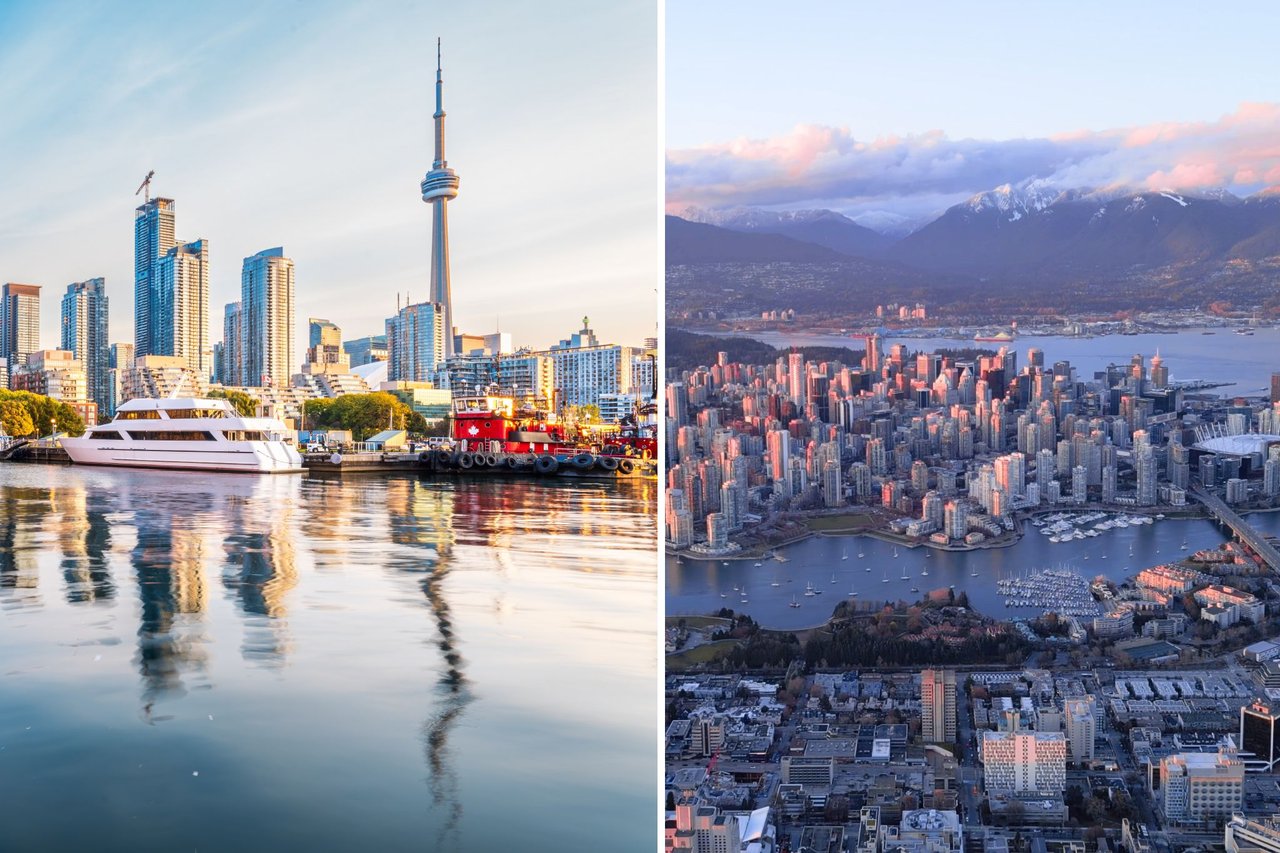
Here’s the truth: Kelowna is not Toronto, and it’s not even Vancouver. It can feel similar in certain ways (limited land, lifestyle demand, migration), but the market “engine” is different — and that matters if you’re buying, selling, or investing in Kelowna real estate.
Quick Note Before We Dive In
This blog is written for people who want real answers about Living in Kelowna — not hype. We’ll compare trends in Toronto and Vancouver, then explain how Kelowna is the same… and how it’s very different.
Why People Compare Kelowna to Toronto and Vancouver
The “Big City” pressure is real — but it shows up differently
People compare markets when they see:
-
Higher prices
-
Fewer affordable options
-
More competition for good homes
-
New rules and zoning changes
In Living in Kelowna, we feel those pressures too — but the reasons aren’t identical.
The biggest mistake buyers and sellers make
They assume:
“If Vancouver is slowing, Kelowna will crash too.”
Sometimes markets move together. Sometimes they don’t. The “why” matters.
Vancouver Trend Snapshot — Slower Sales, Higher Inventory, Soft Prices
What the latest numbers say
Metro Vancouver started 2026 slow:
-
January 2026 sales were down about 28.7% year-over-year.
-
Total listings were up about 9.9% year-over-year.
-
The composite benchmark price was about $1,101,900, down year-over-year.
What that usually means for buyers and sellers
For buyers: more choice, more negotiation.
For sellers: pricing has to be sharp, and marketing matters more.
Why Vancouver doesn’t “copy-paste” into Kelowna
Vancouver is heavily shaped by:
-
Global wealth flows
-
A dense condo market
-
Huge job concentration
-
Very strict land and building constraints
Kelowna has constraints too — but the mix is different.
Toronto Trend Snapshot — Affordability Improving, Confidence Still Shaky
What the late-2025 trend looked like going into 2026
In the GTA, December 2025 showed:
-
Home prices and activity still under pressure
-
An HPI around $962,300
-
Ongoing uncertainty keeping buyers cautious
Other reporting also highlighted:
-
Average selling price around $1,006,735 in December 2025 (down year-over-year)
What’s driving Toronto’s “different kind of slowdown”
Toronto has a bigger mix of:
-
Investor-heavy condos
-
Long commutes and job dependency
-
Large-scale construction cycles
So Toronto can get hit harder when:
-
Investors pause
-
Mortgage costs change
-
Condo supply stacks up
So Where Does Kelowna Fit In?
Kelowna is smaller — but the demand is real
Living in Kelowna is pulled forward by lifestyle demand:
-
lake life, skiing, wineries
-
remote or flexible work
-
people moving from bigger cities for space and quality of life
This is the Okanagan lifestyle effect — and it’s powerful.
[Image Placeholder: Suggested royalty-free photo of downtown Kelowna skyline at dusk]
Kelowna Pricing Isn’t “Vancouver-Level” — Not Close
Benchmark prices show the gap
One example from Interior BC benchmarking (December 2025):
-
Central Okanagan townhome benchmark around $675,700
-
Central Okanagan condo benchmark around $470,600
Compare that to Vancouver’s benchmark levels (composite around $1.1M; detached far higher).
What this means in plain English
Kelowna can feel expensive locally, but it’s not priced like the big metros.
That’s one reason moving to Kelowna keeps happening.
👉 See the latest homes for sale in Kelowna here
The Key Differences That Make Kelowna… Kelowna
1) Kelowna is a lifestyle market first
In Living in Kelowna, people often buy for:
-
proximity to Okanagan Lake
-
walkability to restaurants and beaches
-
views, patios, and outdoor space
-
shorter commutes and more “life time”
2) Our buyer pool behaves differently
Kelowna has:
-
more “move-up” families buying long-term homes
-
more downsizers selling and buying again
-
more multi-generational living (suites matter)
-
investors, yes — but not the same condo-driven machine as Toronto
3) The housing mix is not the same
Toronto: condos are a massive slice of the market.
Vancouver: condos + townhomes dominate many areas.
Kelowna: still a strong single-family culture — but shifting.
This is why “Kelowna is Toronto” is a lazy comparison.
Where Kelowna Is Similar to Vancouver and Toronto
1) Land is limited and desirable areas get tight fast
Popular pockets don’t magically expand.
That’s why areas like West Kelowna and Lake Country stay on the radar for value and lifestyle.
2) The best homes still sell — even in slower markets
Across Canada, one pattern is steady:
-
great location + great condition + great price = action
3) Buyers want answers, not noise
People are tired of extreme headlines.
That’s why we focus on:
-
local inventory
-
days on market
-
recent sold prices
-
what’s actually happening on the street
What This Means If You’re Buying in Kelowna
Buyers: You don’t need to “rush” like Toronto 2021
In Living in Kelowna, the win is usually:
-
picking the right area
-
understanding suites, strata rules, and future resale
-
negotiating with data
Buyer pros right now:
-
more time to think
-
better inspection conditions
-
less emotional bidding
Buyer cons:
-
the best listings still move quickly
-
rates and payment shock can limit choices
📥 Download our free Kelowna Home Buyer’s Guide today.
What This Means If You’re Selling in Kelowna
Sellers: Price like Kelowna, not like Vancouver
A common mistake is using a “big city premium” in your head.
In Kelowna homes for sale, buyers are value-hunters now. They compare everything.
Seller pros:
-
lifestyle demand still exists
-
well-presented homes stand out fast
Seller cons:
-
overpricing gets punished (longer days, price drops)
-
buyers expect quality, staging, and clarity
📩 Subscribe to our weekly email update for listings and market insights.HERE
AEO Quick Answers (FAQ Style)
Is Kelowna going to become Vancouver?
Kelowna may keep growing, but it won’t “turn into Vancouver” overnight. The job base, density, and global demand patterns are different.
Is Kelowna more like Toronto or Vancouver?
If you must pick: Kelowna’s vibe is closer to Vancouver (BC lifestyle + geography), but its market mechanics are still unique.
What should I watch if I’m Living in Kelowna and planning a move?
Watch these:
-
inventory in your price range
-
recent sold prices (not list prices)
-
days on market
-
suite income potential
-
strata rules (if buying attached)
The Bottom Line — Kelowna Isn’t Toronto, and That’s Good News
Here’s the clean takeaway:
-
Toronto can swing harder with investor cycles and condo supply.
-
Vancouver moves with global money, density limits, and long-term land pressure.
-
Kelowna is powered by lifestyle + local realities — and that means you need a Kelowna-specific plan.
If you’re serious about Living in Kelowna, don’t use Toronto rules to make Kelowna decisions.
Ready to Talk Strategy for Kelowna Real Estate?
Whether you’re buying, selling, or moving to Kelowna, we’ll help you make a smart plan based on real numbers — not hype.
Mark & Maddie
Phone: 778-744-0872
Mark Coons, BBA, CE
REALTOR® | eXp Realty Kelowna
Team Lead, Selling Okanagan Group
Relocated to Kelowna in 2018
📞 778-744-0872
📩 [email protected]