Is the BC Condo Bailout More Harm Than Good for Kelowna Real Estate?
What Vancouver’s unsold condo problem could mean for Kelowna buyers, sellers, developers, home builders, and infill multifamily projects
The recent Carney and Eby housing announcement has created a lot of conversation across British Columbia, especially around the Canada-BC Condo Conversion Partnership and the plan to convert more than 2,200 vacant condos into affordable housing. On the surface, it sounds like a practical solution: take empty new condos, convert them into affordable homes, and get people housed faster than waiting years for new construction.
That is the easy part of the story to understand. The harder part is what this kind of government intervention could mean for the broader BC housing market, especially in places like Kelowna where new condo supply, appraisal risk, construction costs, buyer confidence, and infill development are already important conversations.
This is not just a Vancouver issue. It may have started with Metro Vancouver’s unsold condo inventory, but the lessons reach into the Kelowna real estate market, the Central Okanagan new construction market, and the decisions developers and home builders are making right now around multifamily infill housing.
The key question is simple: does this plan help create real long-term affordability, or does it protect prices that may need to come down?
What Was Announced in the Canada-BC Housing Deal?
The federal and provincial governments announced a major housing and infrastructure agreement for British Columbia. The headline numbers included more than $5 billion in federal money over 10 years for BC infrastructure, up to $3.2 billion in combined federal and provincial support to reduce development charges in priority communities, potential savings of up to $40,000 per new home, a one-time $284 million transfer to BC, and a new Canada-BC Condo Conversion Partnership.
The condo conversion piece is the part that caught the most attention. The plan is to use more than 2,200 vacant condos and convert them into affordable housing, with the goal of putting already-built homes to use instead of letting them sit empty.
There is a strong argument in favour of this approach. If homes are already built, and people need housing, then using existing supply is faster than waiting for rezoning, permits, financing, construction, and completion on brand-new affordable housing projects. For renters who need a place to live, the source of the unit may matter less than the fact that the unit becomes available.
But the financial structure matters. The purchase price matters. The appraisal treatment matters. The precedent matters. If government becomes the buyer of last resort for private developers, then this is no longer just an affordable housing policy. It becomes a market intervention.
That is where the Kelowna real estate market should pay attention.
Why Metro Vancouver Has an Unsold Condo Problem
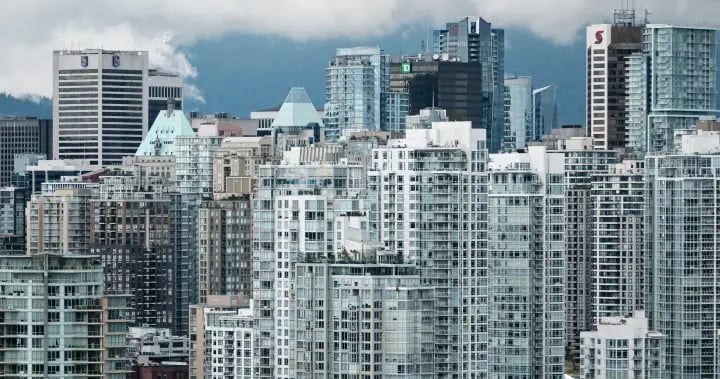
Metro Vancouver has thousands of completed and unsold new condo units. Some of these buildings were planned, financed, marketed, and presold during a very different real estate environment. Interest rates were lower, investor demand was stronger, presale confidence was higher, and many buyers believed prices would keep rising.
That environment has changed. Investors have pulled back, financing has become harder, assignment profits are no longer easy, and buyers are much more cautious about paying peak pricing for small condos with high carrying costs. Developers who built based on old assumptions are now facing a new reality.
This is how markets send signals. When finished homes do not sell, the market is saying something about price, product, demand, or timing. It may be saying the units are too expensive. It may be saying the product is too investor-focused. It may be saying buyers want different layouts, better value, lower fees, or more livable homes.
That signal is uncomfortable, but it is important. It is also one of the few ways affordability can start to return. When prices run too far ahead of incomes, financing, and real end-user demand, the market eventually pushes back.
The concern with a large government buyback is that it may soften or delay that correction. Instead of allowing prices to fully reset, public money may absorb part of the inventory overhang and protect some of the pricing structure that created the problem in the first place.
Why This Matters for the Kelowna Real Estate Market
Kelowna is not Vancouver, but Kelowna has its own version of the same conversation. The scale is smaller, the buyer pool is different, and the local economy is different, but the pressure points are similar.
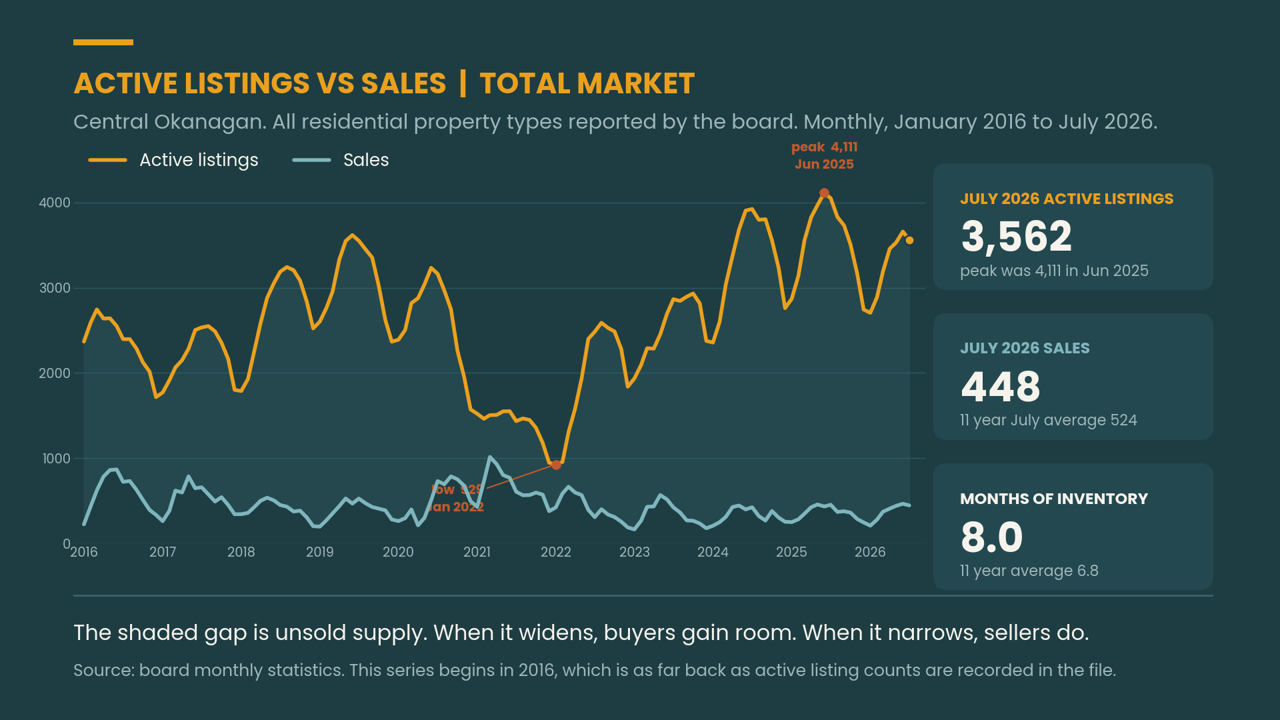
Kelowna has seen a lot of new condo construction over the last several years. Some buildings are performing well, especially when they are priced correctly, located well, and offer a product buyers actually want. Other projects are facing tougher conversations around resale value, buyer demand, strata fees, appraisal support, and competition from similar units.
For Kelowna buyers, that means new does not automatically mean safe. For Kelowna sellers, it means the price someone paid during a hot presale market may not be the same number today’s resale market or lender will support. For Kelowna developers and infill builders, it means the product has to match real demand, not just what looked good on a spreadsheet when rates were lower.
This is why the Vancouver condo bailout matters locally. It shows what can happen when too much of the wrong product gets built at the wrong price, and it raises a bigger question for Kelowna: are we building the housing people actually need, or are we building the housing that only worked under old market conditions?
The Appraisal Problem Buyers and Sellers Need to Understand
One of the biggest risks in a market with unsold new condo supply is appraisal uncertainty. Real estate values are built on comparable sales. Buyers use comparable sales to decide what to offer. Sellers use them to decide how to price. Appraisers use them to support mortgage lending. Banks use appraisals to manage risk.
When a large government-backed buyer enters the market and purchases or finances thousands of units, the comparable sales picture can become harder to read. If the units are bought at a discounted price to make affordable housing math work, those sales may put downward pressure on future appraisals. If the units are bought at a higher price to protect developers from losses, those numbers may not reflect true market demand.
Either way, the market becomes less clear.
That matters because appraisals are not just paperwork. They affect whether buyers can get financing. If a buyer agrees to pay $700,000 for a condo but the appraisal comes in at $650,000, the buyer may need to bring in more cash, renegotiate the purchase price, or walk away from the deal if conditions allow.
Some Kelowna condo buyers and sellers are already having versions of this conversation. Newer condo units that sold at peak presale pricing are now being compared against today’s resale market. If today’s comparable sales do not support yesterday’s presale numbers, the gap becomes very real.
For sellers, that means pricing needs to be grounded in today’s market, not the market from two or three years ago. For buyers, it means appraisal protection and financing conditions matter. For developers, it means future pricing needs to match what lenders and end users can support.
What This Means for Kelowna Condo Sellers
If you are selling a newer condo in Kelowna, the most important thing to understand is that the market does not care what the unit was supposed to be worth. It cares what buyers are willing to pay today and what lenders are willing to finance today.
That can be frustrating, especially for owners who bought during the peak presale years or in buildings where the original developer pricing was much higher than current resale activity. But the resale market is based on current competing inventory, recent sales, buyer confidence, interest rates, strata fees, and the overall reputation of the building.
A Kelowna condo seller should be looking closely at recent comparable sales in the same building, nearby active listings, the number of similar units for sale, whether the developer still owns unsold inventory, how long similar units are taking to sell, and whether recent deals have had appraisal issues.
Overpricing in this kind of market can be costly. A listing that sits too long can become stale, and buyers may begin to assume something is wrong with the unit or building. A sharper pricing strategy does not mean giving the property away. It means understanding where the actual buyer pool is and positioning the home where it can compete.
The sellers who do best in this market will usually be the ones who accept the current data early, price with discipline, and understand that buyers have more information and more options than they did during the peak years.
What This Means for Kelowna Condo Buyers
For buyers, the current Kelowna condo market may offer opportunity, but it also requires caution. More supply can create better selection and more room to negotiate, but not every lower price is a good deal.
A buyer looking at newer condos in Kelowna should be asking deeper questions before removing conditions. How many similar units are currently listed? What have comparable units actually sold for? Are there still unsold developer units in the building? Are strata fees expected to rise? Is the building mostly owner-occupied or investor-owned? Are short-term rentals allowed or restricted? Is the parking useful? Is storage included? Has the building had insurance or deficiency issues? Are recent appraisals supporting the sale prices?
These questions matter because a condo is not just a unit. It is part of a building, a strata corporation, a financial structure, and a future resale market. A nice-looking unit in a weak building may not be a strong long-term purchase. A less flashy unit in a better building with stronger owner demand may be a safer choice.
The best opportunity for buyers is not simply buying the cheapest unit. It is buying the right unit, in the right building, at a price that makes sense against today’s comparable sales.
What This Means for Kelowna Developers and Home Builders
For Kelowna developers, home builders, and infill multifamily builders, the lesson from Vancouver is not that development is bad. Kelowna still needs more housing, and the Central Okanagan still needs thoughtful density, missing-middle housing, townhomes, purpose-built rental, and well-designed infill projects.
The lesson is that the product has to match the market.
The old development playbook was often built around maximizing density, preselling to investors, relying on future appreciation, and assuming there would always be enough demand at the end. That playbook is weaker now. Buyers are more cautious, investors are less aggressive, lenders are more careful, construction costs are still high, and end users are paying closer attention to monthly affordability.
That creates both risk and opportunity.
The risk is building the wrong product at the wrong price. The opportunity is building housing that actually fits Kelowna’s real demand. That may include family-sized townhomes, smaller multifamily infill projects, downsizer-friendly lock-and-leave homes, purpose-built rental near services, or missing-middle housing in established neighbourhoods where people already want to live.
For infill builders in Kelowna, the question should not only be, “How many units can we fit on this site?” The better question is, “Who is the end user, what can they afford, what will the lender support, and what will still make sense in the resale or rental market five years from now?”
That is the kind of thinking that can separate good development from speculative overbuilding.
What This Means for Kelowna Infill Multifamily Builds
Kelowna infill multifamily development is still one of the most important housing opportunities in the city. As land becomes more expensive and single-family homes become harder for many people to afford, thoughtful infill can help create more housing choices in established neighbourhoods.
But not all density is equal. More units on paper does not automatically mean a better project. A successful infill multifamily build needs to consider parking, livability, outdoor space, family function, construction cost, financing, neighbourhood fit, rental demand, resale value, and the final monthly cost to the buyer or tenant.
This is where policy and market reality often collide. Governments may want more housing quickly, but builders still have to make the numbers work. Buyers may want more affordability, but construction costs, servicing costs, financing costs, and development charges all affect the final price.
If the goal is to create more attainable housing in Kelowna, then the focus should be on making good projects easier and less expensive to build from the beginning. Faster approvals, clearer zoning, predictable servicing timelines, and reduced cost uncertainty would likely do more for long-term affordability than stepping in after the market has already overbuilt the wrong product.
The Good Side of the Condo Conversion Plan
There are fair arguments in support of the Canada-BC condo conversion plan. If thousands of condos are sitting empty while people need housing, it makes sense to ask whether those homes can be put to better use.
Affordable housing takes years to plan and build. If existing completed units can be converted more quickly, some renters may get housing sooner. Vacant homes may become occupied. Some construction-related jobs and financial pressure may be stabilized. Communities may benefit from homes being used instead of sitting empty.
That part should not be ignored.
There is also a practical argument that allowing large completed buildings to fail could create its own problems. If developers collapse, lenders take losses, trades may not get paid, future construction financing may tighten, and housing supply could slow even more. A messy correction can have ripple effects.
So the issue is not whether there is any benefit. There is.
The issue is whether the public benefit is large enough to justify the public cost, and whether this creates a dangerous precedent for future development cycles.
The Bad Side of the Condo Conversion Plan
The concern is that this kind of intervention may protect the market from learning the lesson it needs to learn. If developers build too much of a product buyers no longer want at prices buyers no longer support, then the normal market correction is lower prices, project losses, and a change in future behaviour.
That correction is painful, but it also creates discipline.
If government steps in and absorbs a large portion of the unsold inventory, the message to the market changes. Future developers may believe that if a project is large enough or the problem becomes public enough, government may eventually become a buyer. That can reduce accountability and weaken the normal pricing signals that help markets correct.
There is also a fairness issue. Many taxpayers never benefited from the condo boom. They did not own presale units, they did not profit from rising prices, and they did not invest in the projects. Yet they may still help carry part of the cost when the market turns.
That is why the purchase price and financing structure matter so much. If the government buys low, it may hurt values and smaller developers who are not part of the program. If it buys high, it may protect private losses and keep prices artificially elevated. Both outcomes come with risk.
Why Affordability Cannot Be Fixed by Holding Prices Up
Housing affordability is usually discussed as if the only answer is more programs, more funding, or more intervention. But affordability also requires prices to make sense compared with incomes, rents, financing, and real household budgets.
If every policy is designed to prevent prices from falling, then affordability becomes harder to achieve. A market cannot become more affordable if it is never allowed to correct. At some point, the gap between what homes cost and what people can actually pay has to narrow.
That does not mean all prices need to crash. It does not mean builders should fail or buyers should wait forever. It simply means that affordability cannot be solved only by protecting existing price levels.
For Kelowna, this matters because local buyers are already balancing mortgage payments, strata fees, insurance, taxes, utilities, groceries, transportation, and childcare. A home does not become affordable just because the headline price looks slightly better. It has to work as part of the full cost of living.
That is why housing affordability and life affordability need to be part of the same conversation.
What Would Help Kelowna Housing More?
For Kelowna, the better long-term solution is not to wait until projects are finished, overpriced, and sitting empty. The better solution is to make the right housing easier to build in the first place.
That means faster approvals for projects that match the Official Community Plan and local housing needs. It means clearer zoning so builders can understand what is possible before spending years and large amounts of money. It means predictable infrastructure and servicing timelines so projects do not get delayed into a completely different interest rate environment. It means reducing unnecessary cost uncertainty so more small and mid-sized builders can actually compete.
Kelowna also needs a more honest conversation about product type. Not every housing shortage is solved by small investor condos. The city needs homes for downsizers, young professionals, families, renters, seniors, workers, and people who want to live near services without needing a large detached house.
That is where infill multifamily housing can play a major role, but only if it is designed around real people instead of just unit counts.
The Kelowna Takeaway for Buyers, Sellers, and Builders
The main takeaway for Kelowna is that the real estate market is becoming more selective. Buyers are still active, but they are more careful. Sellers can still sell, but pricing needs to be grounded in current evidence. Developers can still build, but the product needs to match real demand.
For sellers, the message is to understand your building, your competition, and your appraisal risk before going to market. For buyers, the message is to look beyond surface finishes and study the building, the strata, the comparable sales, and the future resale picture. For builders and developers, the message is to build housing that people can actually afford, finance, live in, and eventually resell.
Kelowna does not need to copy Vancouver’s mistakes. It can learn from them.
The city still needs new housing, but it needs the right housing. It needs thoughtful density, better infill, more practical multifamily options, and projects that work in today’s market rather than relying on yesterday’s assumptions.
Frequently Asked Questions
What is the Canada-BC Condo Conversion Partnership?
The Canada-BC Condo Conversion Partnership is a housing plan designed to convert more than 2,200 vacant condos into affordable housing. The goal is to use already-built homes instead of waiting years for new affordable housing projects to be approved and constructed.
How could the BC condo conversion plan affect Kelowna real estate?
The plan may not directly target Kelowna, but it still matters because it shows how government may respond when new condo inventory does not sell. Kelowna has its own new condo supply pressures, and buyers, sellers, appraisers, lenders, developers, and builders should all watch how these policies affect pricing and confidence.
Is Kelowna overbuilt with condos?
Kelowna has meaningful new condo supply, especially in certain buildings and price ranges, but that does not mean every condo is in trouble. Well-priced units in strong buildings can still sell, while overpriced units or weaker buildings may face more pressure.
Why are appraisals important in the Kelowna condo market?
Appraisals matter because lenders use them to decide how much money they are willing to finance. If a condo sells for more than the appraised value, the buyer may need to bring in extra cash, renegotiate the price, or risk the deal falling apart.
Should I buy a newer condo in Kelowna right now?
Buying a newer condo in Kelowna can make sense if the price, building, strata, location, and comparable sales support the purchase. Buyers should be careful with buildings that have lots of competing inventory, high strata fees, weak resale demand, or recent appraisal issues.
What should Kelowna condo sellers watch before listing?
Kelowna condo sellers should review recent comparable sales, active competition, appraisal risk, strata fees, developer-owned inventory, days on market, and buyer demand in their specific building before choosing a listing price.
Is Kelowna still a good market for infill multifamily development?
Kelowna can still be a strong market for infill multifamily development, but the product needs to match real demand. Practical layouts, good locations, realistic pricing, strong rental or resale demand, and financeable end values are more important than simply maximizing density.
What type of housing does Kelowna need more of?
Kelowna needs a mix of housing, including townhomes, missing-middle housing, purpose-built rentals, downsizer-friendly homes, family-sized multifamily units, and smart infill projects in established neighbourhoods. The biggest opportunity is housing that people can realistically afford and actually want to live in.
Final Thought
I want housing to be more affordable for the next generation. That is the real issue behind all of this.
I want my kids, who are seven and nine, to grow up in a country where owning a home is still possible for regular working families. I want Kelowna to have more housing options, more smart infill, more well-built multifamily projects, and more homes that actually fit the people who live here.
But I do not believe real affordability comes from protecting high prices every time the market starts to correct. Sometimes the market needs to send a hard message. Sometimes bad assumptions need to be repriced. Sometimes winter has to do its job before spring can be real.
The Canada-BC condo conversion plan may create short-term relief, and some people may benefit from that. But if the deeper result is that prices stay higher, losses become public, and future developers learn that government may step in when the math breaks, then this could create more harm than good.
For Kelowna buyers, sellers, developers, and home builders, the lesson is not to panic. The lesson is to pay attention.
The market is speaking.
The question is whether we are willing to listen.
If you own a Kelowna condo and are concerned about appraisals, if you are thinking about buying a newer condo, or if you are a builder or developer trying to understand what the Kelowna market will actually absorb, it does not hurt to talk about it.
Reply to this email or call/text me at 778-946-6454.
Mark & Maddie Coons
Selling Okanagan Group | eXp Realty Kelowna
Office: 778-946-6454
Cell: 250-801-0361
Email: [email protected]